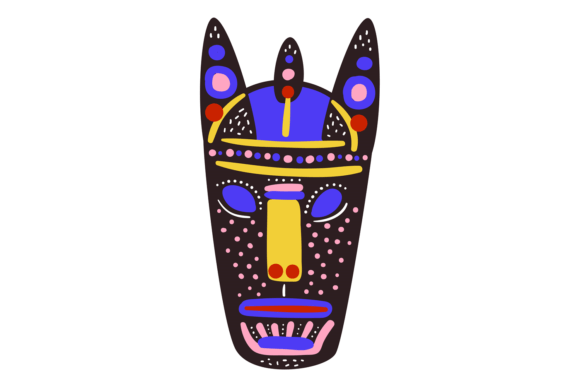
Decorative African Mask. Ceremonial Ritu
Decorative African masks have long been symbols of cultural identity, spiritual expression, and artistic craftsmanship. Among these, the Ceremonial Ritu mask stands out as a powerful representation of tradition and meaning. These masks are more than just decorative items; they serve as vital tools in rituals, storytelling, and community gatherings across various African cultures.
What Is a Decorative African Mask? Ceremonial Ritu?
The Decorative African Mask. Ceremonial Ritu is a handcrafted artifact that blends aesthetic beauty with deep cultural significance. Typically made from wood, metal, or other natural materials, these masks are designed to be worn during specific ceremonies, such as initiations, harvest festivals, or rites of passage. Their intricate patterns and symbolic designs often reflect the values, beliefs, and history of the community they come from.
Unlike purely decorative masks, the Ceremonial Ritu is intended for use in ritual settings. It may be worn by dancers, leaders, or spiritual figures to convey messages, invoke ancestral spirits, or mark important life events. The mask’s design often includes elements that represent protection, strength, or transformation, depending on its purpose.
Where and When Are These Masks Used?
These masks are most commonly used in traditional African communities, particularly in regions like West Africa, where mask-making is an integral part of cultural heritage. However, their influence has spread globally, and today, they are also used in modern contexts such as art exhibitions, cultural festivals, and educational programs.
The Ceremonial Ritu is typically used during specific times of the year, such as during seasonal changes, harvest celebrations, or community events. In some cultures, it is worn during initiation ceremonies to symbolize a person's transition into adulthood. Others use it during funerals or healing rituals to connect with the spiritual world.
Why People Use Decorative African Masks in Different Settings
People use Decorative African Mask. Ceremonial Ritu for a variety of reasons, depending on their personal, professional, or creative goals. Here are some common scenarios:
- Artists and Designers: Many creatives incorporate these masks into their work to add cultural depth and authenticity. Whether designing fashion, jewelry, or digital art, the mask’s unique patterns and symbolism can inspire new ideas and styles.
- Educators and Students: Teachers often use these masks in classrooms to teach students about African history, traditions, and art. They help bring lessons to life and make learning more engaging and interactive.
- Entrepreneurs and Marketers: Businesses that focus on cultural products or sustainable goods may use these masks as part of their branding. They can be sold as collectibles, used in marketing campaigns, or incorporated into product designs.
- Event Planners and Cultural Ambassadors: Organizers of cultural events or festivals often include these masks in performances, exhibitions, or workshops. They help create immersive experiences that celebrate diversity and heritage.
- Individuals Seeking Connection: Some people wear or display these masks for personal reasons, such as connecting with their roots, expressing identity, or finding inspiration in traditional art forms.
How Different Users Benefit From Using These Masks
The Ceremonial Ritu mask offers unique benefits depending on who uses it. For artists, it provides a source of inspiration and a way to honor cultural traditions. For educators, it becomes a tool for teaching and fostering cross-cultural understanding. For entrepreneurs, it represents a marketable product that aligns with global interest in authentic, handmade items.
For example, a designer might use the mask’s patterns to create a new line of clothing, while a teacher could use it to explain the role of masks in African rituals. A small business owner might sell high-quality prints of the mask online, reaching customers who appreciate cultural art. Each user finds value in the mask based on their specific needs and goals.
Considerations Before Using or Purchasing a Decorative African Mask
Before using or purchasing a Decorative African Mask. Ceremonial Ritu, it’s important to consider several factors:
- Cultural Sensitivity: Understand the cultural significance of the mask and ensure that its use respects the traditions it represents. Avoid appropriating or misrepresenting the culture.
- Sourcing and Authenticity: Choose masks that are ethically sourced and created by local artisans. This supports the communities that produce them and ensures quality craftsmanship.
- Intended Use: Determine how you plan to use the mask—whether for display, performance, education, or commercial purposes. This will affect your choice of design, material, and format (such as digital or physical).
- Legal and Ethical Considerations: Be aware of any laws or guidelines related to the import, sale, or use of cultural artifacts. Respect intellectual property rights and the rights of the original creators.
- Storage and Maintenance: If you’re using a physical mask, learn how to properly store and maintain it to preserve its condition over time.
Real-World Applications of the Decorative African Mask
Let’s look at a few real-world examples of how people use the Ceremonial Ritu mask in different situations:
- Art Exhibition: A gallery might feature a collection of African masks, including the Ceremonial Ritu, to educate visitors about the cultural and historical context of the artwork.
- Workshop or Class: A cultural workshop could use the mask to demonstrate traditional mask-making techniques, allowing participants to create their own versions and understand the process.
- Marketing Campaign: A brand promoting eco-friendly or handmade products might feature the mask in their advertisements, highlighting its craftsmanship and cultural value.
- Personal Expression: An individual might display the mask in their home as a symbol of cultural pride or use it in a personal ritual to connect with ancestral traditions.
Connecting Features to Outcomes
The Decorative African Mask. Ceremonial Ritu is more than just a visual object—it carries meaning, history, and purpose. Its features, such as intricate carvings, symbolic motifs, and cultural significance, translate into real outcomes for users. Whether it’s inspiring creativity, educating others, or supporting cultural preservation, the mask plays a meaningful role in various contexts.
By understanding its origins, uses, and implications, users can make informed decisions about how to engage with this powerful cultural artifact. Whether you’re an artist, educator, entrepreneur, or simply someone interested in African heritage, the Ceremonial Ritu mask offers valuable opportunities for connection, learning, and expression.