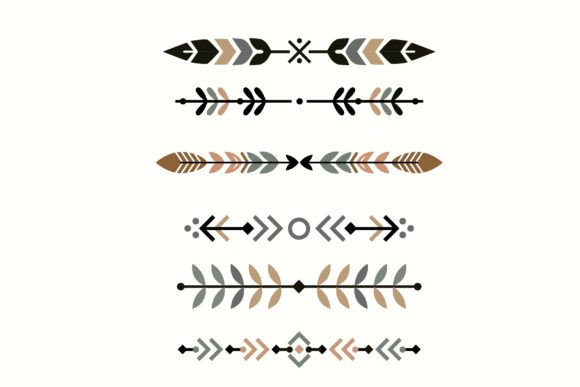
Decorative Ethnic Borders for Creative and Practical Use
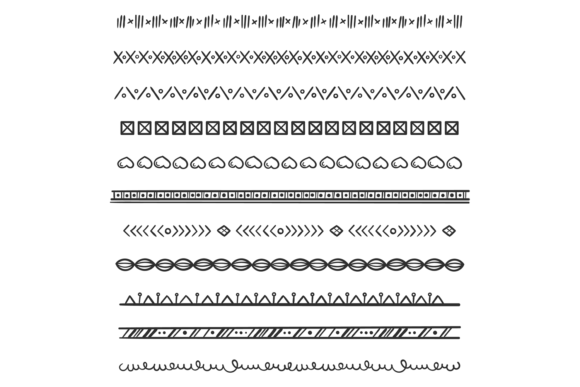
Decorative ethnic borders are a versatile design element that can elevate the visual appeal of any project. These intricate patterns, often inspired by traditional cultures, bring a unique aesthetic to everything from handmade crafts to digital artwork. For those looking for a set that includes American Indian motifs, these decorative ethnic borders offer a rich blend of history, artistry, and functionality.
Whether you're a designer, a teacher, a craftsperson, or someone with a passion for cultural expression, these borders can serve as a valuable resource. They come in multiple file formats—SVG, EPS, PNG, PDF, and JPG—making them accessible for both digital and print applications.
Real-World Applications of Decorative Ethnic Borders
One of the most practical uses of decorative ethnic borders is in graphic design. Whether you're creating a logo, a poster, or a social media template, these borders add depth and cultural authenticity. For instance, a wedding planner might use an American Indian motif border to create a custom invitation that reflects the heritage of one of the couple.
In the realm of education, teachers can incorporate these borders into lesson plans or classroom decorations. A history teacher might use them to illustrate traditional Native American art styles, while an art class could study the symbolism behind each pattern. The ability to print and edit these files makes them ideal for hands-on learning experiences.
Crafters and DIY enthusiasts also find these borders incredibly useful. From scrapbooking to home decor, the intricate details of ethnic borders can transform simple projects into meaningful works of art. A knitter might use a border design as a pattern for a shawl, while a painter could incorporate it into a canvas as a framing element.
Who Benefits from Using Decorative Ethnic Borders?
The versatility of decorative ethnic borders means they can be tailored to a wide range of users. Graphic designers working on branding projects may seek out these borders to add a distinctive touch to their work. Meanwhile, small business owners looking to differentiate their products could use them to create eye-catching packaging or signage.
Artists and illustrators often rely on such elements to enhance their portfolios. A digital artist might integrate a border into a character design to give it a more authentic feel, while a muralist could use it as a recurring motif in a larger piece. The availability of editable files ensures that these designs can be adapted to fit specific creative visions.
For educators and students, these borders provide a way to explore cultural narratives through visual storytelling. A student studying indigenous art could analyze the motifs and techniques used in the designs, while a teacher could use them as a tool for engaging lessons on cultural diversity and heritage.
Choosing the Right Decorative Ethnic Border Set
When selecting a decorative ethnic border set, it's important to consider the intended use. If you're planning to print the designs, high-resolution PNG or PDF files will ensure clarity. For digital projects, SVG or EPS formats offer scalability without loss of quality. Understanding the file types available helps in making an informed choice based on your needs.
Another key consideration is the level of detail and complexity. Some borders may be more intricate than others, which can affect how they look when scaled or printed. It's also worth exploring whether the set includes variations, such as different color schemes or pattern repetitions, to allow for greater flexibility in design.
Additionally, the source of the design matters. Ensuring that the borders are created by or inspired by the culture they represent is essential for respectful and accurate representation. This not only adds value to the design but also supports ethical practices in the creative industry.
Practical Tips for Using Decorative Ethnic Borders
Before applying decorative ethnic borders to a project, take time to experiment with different placements and sizes. Sometimes a subtle border can have a more powerful impact than a bold one. Testing various layouts can help determine what works best for your specific design.
When using these borders in digital projects, pay attention to how they interact with other elements. A well-placed border can frame content effectively, while an overly complex one might distract from the main message. Balancing aesthetics with functionality is key to achieving a polished result.
For those working with physical materials, consider how the border will translate to the final product. A pattern that looks great on a screen may need adjustments when printed, especially if it involves fine lines or delicate details. Always test a sample before committing to a full production run.
Strengths and Limitations of Decorative Ethnic Borders
One of the greatest strengths of decorative ethnic borders is their ability to add cultural richness to a design. They can evoke a sense of tradition, identity, and storytelling that other generic borders may lack. This makes them particularly appealing for projects that aim to celebrate or honor specific heritages.
However, it's important to recognize that not all designs will suit every project. Some borders may be too ornate or culturally specific for certain applications. In such cases, simplifying or modifying the design can help achieve the desired effect without compromising the integrity of the original motif.
Another limitation is the potential for overuse. While these borders can enhance a design, using them excessively may lead to clutter. Finding the right balance ensures that the border complements the overall composition rather than overwhelming it.