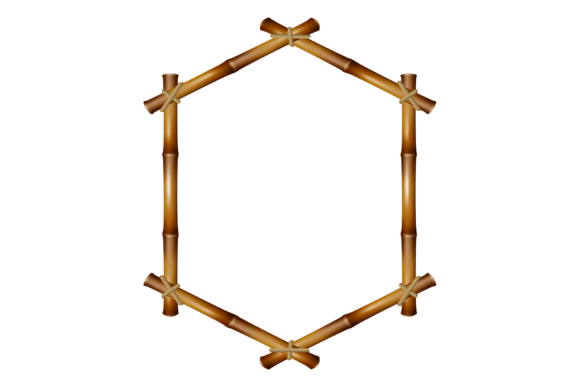
Decorative Wooden Frame in Traditional J: A Timeless Expression of Craftsmanship
The Decorative Wooden Frame in Traditional J represents a harmonious blend of artistry and cultural heritage. Rooted in the meticulous techniques of Japanese woodworking, these frames are more than mere borders—they are statements of elegance, precision, and natural beauty. Whether used in home décor, gallery displays, or artistic projects, they bring a sense of tradition into modern spaces. Their appeal lies not only in their aesthetic value but also in the deep craftsmanship that goes into each piece.
Unlike mass-produced frames, traditional Japanese wooden frames are often handcrafted using time-honored methods. This process involves selecting high-quality wood, such as cedar or cypress, which is then shaped, joined, and finished with care. The result is a frame that exudes warmth and authenticity, making it a sought-after choice for those who appreciate artisanal quality.
Characteristics of Traditional Japanese Wooden Frames
One of the defining features of the Decorative Wooden Frame in Traditional J is its minimalist design. Japanese aesthetics emphasize simplicity, balance, and natural materials. These frames often feature clean lines, subtle curves, and a focus on proportion. They may incorporate elements like kumiko (a lattice work technique) or sukiya-zukuri (a style inspired by rustic architecture), adding visual interest without overwhelming the viewer.
Another notable characteristic is the use of natural wood finishes. Rather than relying on synthetic paints or varnishes, many traditional frames are treated with oils or waxes that enhance the grain and texture of the wood. This approach not only preserves the material’s integrity but also allows the frame to age gracefully over time. The result is a piece that evolves with its environment, gaining character and depth.
The structural integrity of these frames is also worth noting. Traditional Japanese joinery techniques, such as mortise and tenon or slip joint, ensure that the frame remains sturdy without the need for nails or screws. This method reflects the broader philosophy of Japanese craftsmanship, where form and function are seamlessly integrated.
Advantages of Using Traditional Japanese Wooden Frames
There are several advantages to choosing a Decorative Wooden Frame in Traditional J. One of the most significant is its ability to complement a wide range of interior styles. Whether placed in a modern living room, a traditional tea house, or a contemporary art space, these frames add a touch of sophistication without clashing with the surrounding decor.
Additionally, these frames are highly durable. The use of premium wood and traditional joinery ensures that they can withstand the test of time. Unlike cheaper alternatives that may warp or fade, a well-made Japanese wooden frame can last for generations, making it a valuable investment.
Another advantage is the versatility of these frames. They can be used to display photographs, paintings, calligraphy, or even botanical illustrations. Their neutral tones and natural textures make them ideal for showcasing a variety of artistic expressions. Moreover, the frames can be customized to fit specific dimensions, allowing for creative flexibility in their application.
Applications and Use Cases
The Decorative Wooden Frame in Traditional J finds applications across various fields. In the realm of fine arts, artists and curators often use these frames to present works in a way that honors the original intent of the piece. The frame becomes an extension of the artwork, enhancing its visual impact while respecting its cultural context.
In interior design, these frames are popular for creating focal points in a room. A single framed piece can transform a bare wall into a curated space that reflects personal taste and appreciation for craftsmanship. They are particularly effective when paired with other traditional elements, such as tatami mats, shoji screens, or ceramic pottery.
For educators and researchers, these frames offer a tangible connection to history and culture. They can be used in classrooms to teach about Japanese art, architecture, or woodworking traditions. By incorporating physical examples into lessons, students gain a deeper understanding of the subject matter and its practical applications.
Considerations When Choosing a Traditional Japanese Wooden Frame
When selecting a Decorative Wooden Frame in Traditional J, there are several factors to consider. First, the quality of the wood is crucial. High-grade materials, such as Japanese cypress or hinoki, are preferred for their durability and aesthetic appeal. It’s important to verify that the frame is made from solid wood rather than composite materials that may lack the same level of authenticity.
Another consideration is the craftsmanship. A well-made frame should exhibit precise joinery, smooth edges, and a consistent finish. If possible, inspecting the frame in person or reviewing detailed images can help assess its quality. Additionally, understanding the maker’s background and reputation can provide insight into the frame’s value and authenticity.
Finally, the intended use of the frame should guide the selection. For example, a frame meant for displaying delicate artwork may require a more refined structure, while one used in a public space might need additional reinforcement. Considering these aspects ensures that the chosen frame meets both functional and aesthetic needs.
Observations on Trends and Cultural Relevance
In recent years, there has been a growing interest in traditional crafts, including Japanese wooden frames. This trend reflects a broader movement toward sustainability, mindfulness, and appreciation for handmade goods. As consumers become more conscious of their purchases, they are increasingly drawn to products that embody ethical production and cultural significance.
This shift has also influenced the design world. Many contemporary designers are integrating traditional elements into modern pieces, creating a fusion of old and new. The Decorative Wooden Frame in Traditional J has found its place in this evolving landscape, appealing to those who seek unique, meaningful objects that reflect their values.
Moreover, the global exchange of ideas has allowed these frames to reach audiences beyond Japan. Artisans around the world are now producing similar designs, often drawing inspiration from traditional Japanese techniques. While this expansion has increased accessibility, it also highlights the importance of preserving the original craftsmanship and cultural context of these pieces.
Conclusion
The Decorative Wooden Frame in Traditional J is more than just a decorative object—it is a symbol of heritage, skill, and timeless beauty. Its enduring appeal lies in its ability to bridge the past and present, offering a unique way to express creativity and appreciation for craftsmanship. Whether used in art, design, education, or personal spaces, these frames continue to inspire and enrich the environments they inhabit.