Decorative Wooden Panel Realistic Mockup: A Versatile Tool for Design and Presentation
Whether you're a designer, a small business owner, or a creative professional, the Decorative Wooden Panel Realistic Mockup can be a game-changer. This digital asset allows you to visualize how wooden panels will look in real-world settings without the need for physical samples. It’s a practical tool that bridges the gap between concept and presentation, making it invaluable across various industries and projects.
What Is a Decorative Wooden Panel Realistic Mockup?
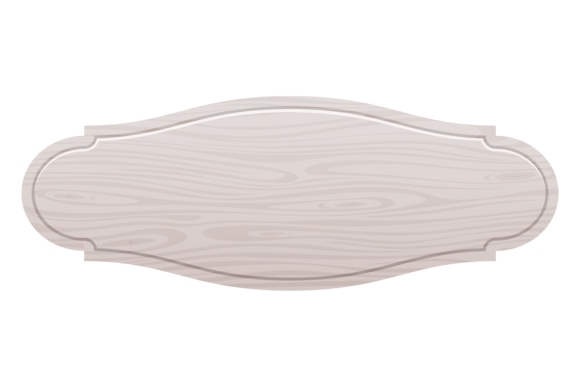
A Decorative Wooden Panel Realistic Mockup is a high-quality digital image that simulates the appearance of a wooden panel in a real environment. These mockups are often created using vector graphics or high-resolution images and come in formats like EPS, JPG, and transparent PNG. They allow users to place the wooden panel into different backgrounds, lighting conditions, or design layouts to see how it would look in practice.
Unlike generic stock images, these mockups are designed with attention to detail—showing textures, grain patterns, and lighting effects that make the panel appear as if it's part of the scene. This level of realism helps users make informed decisions before committing to a physical product or design.
When and Where People Use Decorative Wooden Panel Realistic Mockups
The Decorative Wooden Panel Realistic Mockup is used in a wide range of scenarios. For instance, interior designers might use it to show clients how a particular panel would fit into a living room or office space. Marketers could use it to create compelling visuals for product listings or social media posts. Even DIY enthusiasts might rely on these mockups to plan their home improvement projects more effectively.
One common use case is in e-commerce. Online retailers selling wooden panels or furniture often need high-quality visuals to showcase their products. A realistic mockup can help them present the product in an appealing way without the cost of professional photography. This is especially useful when the product is sold online, where visual appeal plays a crucial role in customer decision-making.
Real-World Applications Across Different Industries
For architects and builders, a Decorative Wooden Panel Realistic Mockup can be a valuable tool during the planning phase. By placing the panel in a 3D model or blueprint, they can get a better sense of how it will integrate with other materials and design elements. This helps avoid costly mistakes and ensures that the final outcome meets expectations.
Small business owners who run home decor shops or custom furniture businesses can also benefit from these mockups. They can use them to create marketing materials, such as brochures, website banners, or Instagram posts, that highlight the aesthetic appeal of their products. This not only saves time but also enhances the professionalism of their brand.
Education and training environments may also find these mockups useful. Design students or vocational learners can study how different wood types and finishes look in various settings. This hands-on approach helps them understand material applications and develop better design skills.
How Different Users Can Benefit
Every user has unique needs when it comes to Decorative Wooden Panel Realistic Mockups. A graphic designer working on a branding project might focus on how the panel looks in a minimalist setting, while a furniture maker might want to see how it complements other materials like metal or glass. The flexibility of these mockups makes them adaptable to a wide range of goals.
For example, a blogger writing about home decor trends could use a mockup to illustrate how a wooden panel adds warmth and texture to a modern space. A marketer promoting a new line of wall art might use it to create eye-catching social media content that drives engagement and sales. In both cases, the mockup serves as a bridge between imagination and reality.
Key Considerations Before Using a Decorative Wooden Panel Realistic Mockup
Before diving into using a Decorative Wooden Panel Realistic Mockup, it’s important to consider a few factors. First, think about the resolution and quality of the file. High-resolution images ensure that the panel looks sharp and detailed, especially when used in print or large digital displays.
Second, consider the format. EPS files are great for vector-based editing, while JPG and PNG options offer versatility for web use and quick previews. Transparent PNGs are particularly useful when the panel needs to be placed over different backgrounds without a white or colored border.
Finally, check the licensing terms. Some mockups may require attribution or have restrictions on commercial use. Understanding these details upfront can save time and prevent legal issues down the line.
Practical Tips for Maximizing the Value of a Decorative Wooden Panel Realistic Mockup
To get the most out of a Decorative Wooden Panel Realistic Mockup, start by identifying the specific purpose. Are you using it for client presentations, marketing materials, or personal projects? Knowing the end goal helps you choose the right mockup and apply it effectively.
Experiment with different backgrounds and lighting conditions to see how the panel interacts with its surroundings. This can reveal unexpected design opportunities or help refine your vision. Additionally, don’t hesitate to combine the mockup with other design elements, like furniture, plants, or decorative accessories, to create a more complete visual story.
Lastly, keep your audience in mind. If you’re presenting to clients or customers, make sure the mockup aligns with their preferences and expectations. A realistic and well-presented mockup can build trust and confidence in your work.
Conclusion: A Practical Asset for Creative and Professional Projects
The Decorative Wooden Panel Realistic Mockup is more than just a visual aid—it’s a practical tool that supports creativity, communication, and decision-making. Whether you're designing a space, marketing a product, or teaching others, this resource offers real value in a variety of contexts. With the right approach, it can enhance your workflow, improve your results, and help you achieve your goals more efficiently.