Hanging Metal Links: The Versatile Elegance of Silver Decorative C
In the world of design and decoration, the subtle interplay between form and function often defines the success of a product. Hanging metal links, particularly those in silver decorative C patterns, have emerged as a compelling choice for both aesthetic appeal and practical utility. These intricate elements are not just ornamental; they serve as connectors, accents, and structural components across various industries. From interior design to industrial applications, their versatility makes them a valuable asset.
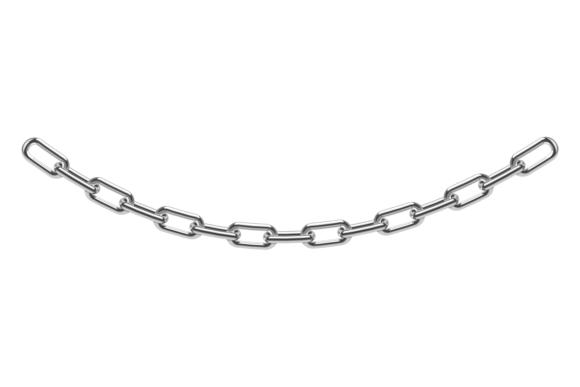
The silver decorative chain pattern, when isolated on a white background, showcases its clean lines and precise geometry. This visual clarity is essential for designers who seek to integrate these elements into larger compositions without overwhelming the overall design. Whether used in jewelry, architectural details, or signage, the simplicity of the silver decorative C offers a foundation for creativity.
One of the most notable characteristics of hanging metal links is their ability to blend seamlessly into different environments. Their lightweight nature allows for easy installation, while their durability ensures long-term use. This combination of flexibility and resilience makes them ideal for both indoor and outdoor applications. For instance, in commercial spaces, these links can be used to create dynamic ceiling installations that add depth and interest to otherwise flat surfaces.
The silver color of these links also contributes to their adaptability. Unlike darker metals, which may appear heavy or imposing, silver reflects light and integrates well with modern, minimalist aesthetics. This quality makes them especially popular in contemporary design settings where clean lines and neutral tones are preferred. Additionally, the reflective surface of silver can enhance the visual impact of surrounding elements, making it a strategic choice for accent pieces.
When considering the use of hanging metal links, it's important to understand the different materials and finishes available. While silver is a common choice, other metals such as brass, stainless steel, and aluminum also offer unique benefits. Each material has its own weight, corrosion resistance, and aesthetic qualities, allowing users to select the most appropriate option based on their specific needs. For example, stainless steel is often preferred in high-traffic areas due to its strength and resistance to wear.
The process of creating these links involves precision engineering and attention to detail. Manufacturers typically use advanced techniques such as laser cutting, CNC machining, and electroplating to achieve the desired level of intricacy. These methods ensure that each link maintains consistent quality and structural integrity, even when used in large-scale projects. The result is a product that is both visually appealing and functionally sound.
For creators and designers, hanging metal links provide an opportunity to experiment with texture and movement. By varying the length, spacing, and arrangement of the links, artists can create dynamic visual effects that evolve with the viewer’s perspective. This adaptability makes them a favorite among those who work in kinetic art, interactive installations, and modular design systems.
In addition to their artistic applications, hanging metal links have practical uses in industrial and commercial contexts. They can be employed as part of conveyor systems, suspension mechanisms, or support structures in manufacturing environments. Their ability to withstand repeated stress and maintain shape over time makes them a reliable choice for functional designs that require both strength and flexibility.
Another advantage of using hanging metal links is their ease of customization. Many manufacturers offer options for altering the size, shape, and finish of the links to suit specific project requirements. This level of personalization allows for greater creative freedom and ensures that the final product aligns with the intended design vision. Whether a designer is looking for a subtle accent or a bold statement piece, the flexibility of these links provides a wide range of possibilities.
From an environmental standpoint, the production of hanging metal links also presents opportunities for sustainability. Many companies now prioritize eco-friendly practices, such as using recycled materials and minimizing waste during the manufacturing process. This commitment to sustainability resonates with a growing number of consumers and businesses that seek to reduce their ecological footprint while maintaining high standards of quality and performance.
When selecting hanging metal links, it's essential to consider factors such as load capacity, corrosion resistance, and compatibility with other materials. For example, in outdoor installations, the links must be able to withstand exposure to moisture, temperature fluctuations, and UV radiation. Choosing the right material and finish can significantly extend the lifespan of the product and ensure its continued functionality over time.
Moreover, the availability of digital files such as EPS, JPG, SVG, and transparent PNG formats enhances the usability of these links in various design workflows. These file types allow for seamless integration into graphic design software, 3D modeling tools, and digital illustration platforms. This accessibility makes it easier for designers to incorporate the links into their projects without compromising on quality or detail.
As technology continues to advance, the applications for hanging metal links are likely to expand further. Innovations in material science, manufacturing processes, and digital design tools will open up new possibilities for their use. Whether in traditional craftsmanship or cutting-edge innovation, these links remain a testament to the enduring value of thoughtful design and meticulous execution.
Ultimately, the appeal of hanging metal links lies in their ability to transform ordinary spaces into extraordinary experiences. Their elegant simplicity, combined with their functional versatility, makes them a powerful tool for anyone seeking to elevate their design projects. Whether used as a decorative element, a structural component, or a creative expression, these links continue to inspire and innovate across diverse fields.