Ornate Corner Element. Decorative Floral: Enhancing Design Workflows with Elegance
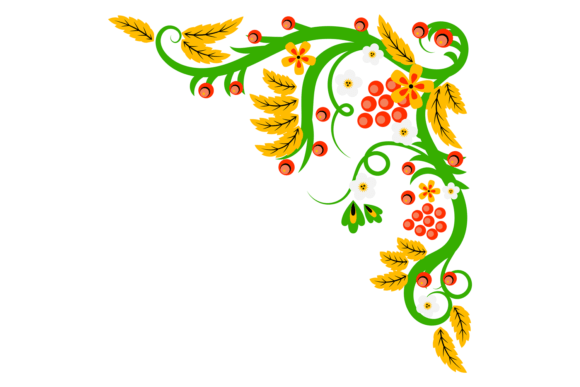
The Ornate Corner Element. Decorative Floral is a versatile design asset that brings sophistication and visual interest to a wide range of creative projects. Whether you're working on graphic design, branding, print media, or digital content, this decorative floral border can serve as a powerful tool to elevate your work. Its intricate patterns and ornate details make it ideal for adding a touch of elegance to layouts, headers, backgrounds, and more.
Understanding the Role of Ornate Corner Element in Creative Processes
In the broader context of design workflows, the Ornate Corner Element. Decorative Floral acts as a complementary element that supports the overall aesthetic and thematic coherence of a project. It is often used to frame content, define sections, or add visual hierarchy without overwhelming the main message. This makes it particularly useful in scenarios where subtle ornamentation enhances readability and engagement.
For instance, in branding, such elements can be incorporated into logos, stationery, or marketing materials to reinforce a brand’s identity. In editorial design, they can help distinguish sections within a publication, creating a more organized and visually appealing layout. For digital designers, these elements can be used as background textures or UI components to create a more immersive user experience.
Integrating Ornate Corner Element into Different Stages of a Project
The Ornate Corner Element. Decorative Floral can be strategically integrated at various stages of a project, depending on the goals and requirements. During the planning phase, it can be considered as part of the visual direction or mood board to establish a consistent style. This ensures that the element aligns with the overall vision and avoids last-minute adjustments that could disrupt the workflow.
During execution, the element can be applied to specific areas of a design, such as page corners, section dividers, or decorative accents. Its availability in multiple file formats—EPS, JPG, SVG, and transparent PNG—makes it adaptable to different software and platforms. This flexibility allows designers to use it in both vector-based and raster-based applications without compromising quality.
After the project is completed, the Ornate Corner Element can still play a role in maintenance and updates. If a design needs revisiting, having access to high-quality assets like this ensures that any modifications can be made efficiently while maintaining the original aesthetic.
How Ornate Corner Element Interacts with Other Design Tools and Resources
The Ornate Corner Element. Decorative Floral works well alongside other design tools and resources, enhancing their effectiveness rather than competing with them. When used in conjunction with typography, it can create a balanced composition that draws attention to key messages without overshadowing them. With color schemes, it can either blend seamlessly or stand out as a focal point, depending on the desired effect.
It also complements other decorative elements, such as borders, frames, and icons, by providing a cohesive look across a design. This is especially important in branding, where consistency is crucial for recognition and trust. By integrating the Ornate Corner Element with other assets, designers can create a unified visual language that strengthens the overall impact of their work.
Additionally, when working with clients or teams, the Ornate Corner Element can serve as a reference point for design decisions. It helps communicate the intended style and provides a tangible example of how decorative elements can enhance the final product. This fosters collaboration and ensures that all stakeholders have a shared understanding of the visual direction.
Practical Implementation Tips for Using Ornate Corner Element
To effectively incorporate the Ornate Corner Element. Decorative Floral into your workflow, consider the following practical tips:
- Start with a clear purpose: Define why you’re using the element. Is it to add visual interest, create a theme, or enhance a specific section? Having a clear goal will guide your implementation and prevent overuse.
- Experiment with placement: Test the element in different areas of your design to see how it interacts with other components. Sometimes, a small accent in the corner can have a greater impact than a full-page design.
- Adjust scale and opacity: Depending on the context, you may need to resize or adjust the transparency of the element to ensure it doesn’t overpower the main content.
- Use it consistently: If you decide to include the Ornate Corner Element in a project, apply it uniformly across all related assets. This creates a sense of continuity and professionalism.
These strategies help maintain balance and clarity, ensuring that the element serves its intended purpose without causing visual clutter.
Workflow Examples and Use Cases
Consider the following examples to see how the Ornate Corner Element. Decorative Floral can be used in real-world scenarios:
- Branding Projects: A boutique designer might use the element in a logo or business card to reflect a vintage or artisanal aesthetic. The ornate details add character and differentiate the brand from competitors.
- Print Media: A magazine layout could feature the element as a header or section divider, helping readers navigate through content while maintaining an elegant appearance.
- Digital Content: A blogger might use the element as a background texture for a website or social media post, creating a more engaging and visually rich experience for their audience.
- Event Invitations: A wedding planner could incorporate the element into invitation designs to convey a sense of luxury and refinement, aligning with the overall theme of the event.
Each of these examples demonstrates how the element can be adapted to suit different needs and contexts, making it a valuable addition to any designer’s toolkit.
Factors to Consider for Long-Term Use and Quality Control
When using the Ornate Corner Element. Decorative Floral over time, it’s important to consider factors such as preparation, compatibility, and usability. Ensure that the file formats you choose are compatible with the software you use regularly. For example, SVG files offer scalability and are ideal for responsive designs, while PNG files provide transparency for layered compositions.
Consistency is another key factor. If you plan to reuse the element across multiple projects, maintain a standardized approach to its application. This includes keeping track of versions, adjusting settings as needed, and ensuring that it remains relevant to evolving design trends.
Finally, always prioritize quality control. Before finalizing a design, review how the element looks in different contexts and resolutions. This helps avoid issues such as pixelation, misalignment, or unintended visual effects that could detract from the overall quality of the work.