Red Bowtie Icon. Decorative Ribbon. Part
The Red Bowtie Icon, often paired with a decorative ribbon, has become a powerful visual symbol in design and branding. This iconic element is more than just an aesthetic choice—it represents celebration, elegance, and attention to detail. Whether used as part of a logo, a digital asset, or a print material, the red bowtie and its accompanying decorative ribbon serve as a strong visual cue that can elevate any project.
As design trends continue to evolve, the use of symbolic elements like the red bowtie icon has gained renewed relevance. In a world where first impressions matter, these visual components help convey tone, purpose, and style. The red bowtie icon, in particular, is associated with formality, celebration, and sophistication—making it a go-to choice for events, fashion, and branding initiatives.
Understanding the Red Bowtie Icon and Decorative Ribbon
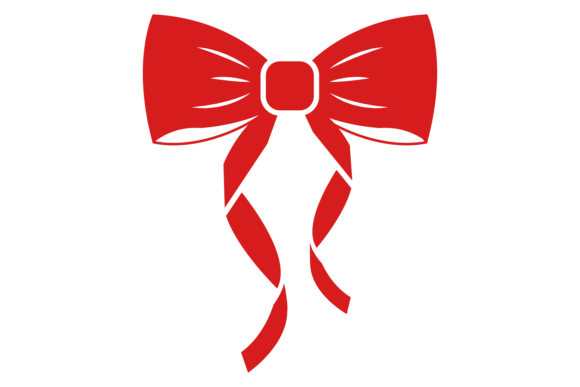
The red bowtie icon is typically depicted as a stylized bow tie in shades of red, often with intricate details that reflect craftsmanship. When paired with a decorative ribbon, it adds a layer of visual richness that can enhance the overall appeal of a design. These elements are commonly found in graphic design assets such as EPS, JPG, SVG, and transparent PNG files, making them versatile for various applications.
One of the key reasons the red bowtie icon remains relevant is its adaptability. It can be used in both traditional and modern contexts, from wedding invitations to digital marketing campaigns. Its bold color and elegant shape make it stand out, while its simplicity allows it to integrate seamlessly into different design styles.
The decorative ribbon that often accompanies the red bowtie icon serves multiple purposes. It can act as a border, a background element, or a framing device that draws attention to the main subject. This combination of elements is especially useful in creating visually engaging content that captures the viewer’s interest.
Relevance in Modern Design and Branding
In today's design landscape, where minimalism and clarity are highly valued, the red bowtie icon and decorative ribbon offer a unique balance between complexity and simplicity. They provide a way to add visual interest without overwhelming the viewer. This makes them ideal for brands looking to create a memorable identity while maintaining a clean and professional appearance.
For businesses and creators, incorporating the red bowtie icon into their visual assets can help differentiate their work in a competitive market. Whether it's used in a logo, social media profile picture, or website header, this symbol can instantly communicate a sense of style and refinement.
Moreover, the red bowtie icon aligns with current design trends that emphasize storytelling and emotional connection. In an era where consumers seek authenticity and meaning, visual symbols like the red bowtie can help convey a brand’s values and personality more effectively than text alone.
Practical Applications and Use Cases
The versatility of the red bowtie icon and decorative ribbon extends beyond traditional design. In digital marketing, these elements can be used to highlight promotions, special offers, or event announcements. Their high visibility and striking appearance make them effective tools for drawing attention and encouraging engagement.
For event planners and designers, the red bowtie icon can serve as a thematic element for weddings, galas, and formal gatherings. When combined with a decorative ribbon, it can be used to create cohesive visual themes that enhance the overall experience. This is particularly valuable in industries where aesthetics play a crucial role in client satisfaction.
On a personal level, the red bowtie icon and decorative ribbon can be used in creative projects such as handmade cards, custom illustrations, or digital art. Their availability in multiple file formats, including transparent PNG, ensures that they can be easily integrated into a wide range of creative workflows.
Evolution of Visual Symbols in Design
Over the years, the use of visual symbols like the red bowtie icon has evolved alongside changes in design trends and technology. What was once a purely ornamental element has now become a strategic tool for communication and branding. This shift reflects a broader movement toward visual storytelling, where images play a central role in conveying messages and emotions.
Designers and marketers have also recognized the importance of consistency in visual identity. By using elements like the red bowtie icon and decorative ribbon across different platforms and materials, brands can create a unified look that reinforces their message and builds recognition.
This evolution has also been influenced by the rise of digital media and social platforms. With the increasing demand for visually appealing content, the need for high-quality design assets has never been greater. The red bowtie icon and decorative ribbon, available in multiple formats, meet this demand by offering flexibility and adaptability for various uses.
Choosing the Right Format for Your Needs
When working with the red bowtie icon and decorative ribbon, selecting the right file format is essential. EPS files are ideal for print design due to their scalability and vector-based nature. JPG and PNG formats are best suited for web use, with PNG offering transparency for seamless integration into backgrounds.
SVG files, on the other hand, are perfect for digital projects that require scalable graphics without loss of quality. This makes them a popular choice for web designers, app developers, and interactive media creators. Understanding the strengths of each format helps ensure that the red bowtie icon and decorative ribbon are used effectively in different contexts.
For those looking to incorporate these elements into their work, exploring a variety of sources and design libraries can provide access to high-quality assets. Many platforms offer free and premium options, allowing users to choose based on their specific needs and budget.
Conclusion: Embracing the Power of Visual Symbolism
The red bowtie icon and decorative ribbon represent more than just a visual element—they are powerful tools for communication, branding, and creativity. As design continues to play a central role in how we interact with the world, the relevance of these symbols will only grow.
Whether you're a designer, marketer, business owner, or hobbyist, understanding the value of the red bowtie icon and decorative ribbon can help you make more informed decisions about your visual assets. By leveraging these elements thoughtfully, you can enhance your work, connect with your audience, and stand out in a crowded marketplace.