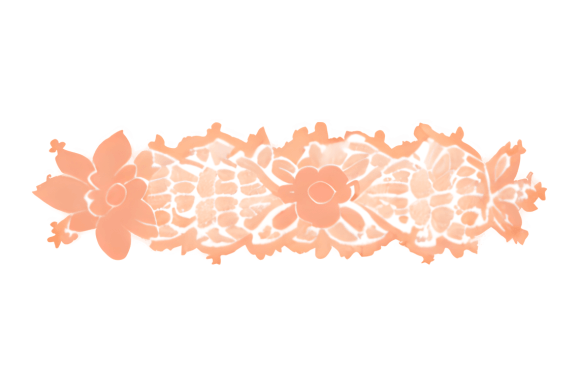
Decorative Floral Element: A Touch of Elegance
Decorative floral elements have long been a staple in design, offering a unique blend of beauty and functionality. Whether you're enhancing your home, branding a business, or creating digital content, these elements can add a touch of sophistication that resonates with audiences. Understanding how to effectively use them can elevate your projects and make a lasting impression.
What Is a Decorative Floral Element?
A decorative floral element refers to any visual component that incorporates flowers, leaves, or botanical patterns. These can be physical items like wreaths, centerpieces, or wall art, or digital assets such as graphics, icons, or background textures. Their purpose is to enhance aesthetics while often serving a secondary function, like marking a space or reinforcing a theme.
These elements are versatile and can be adapted to suit various styles, from rustic and vintage to modern and minimalist. Their appeal lies in their ability to convey emotions, set moods, and create a sense of harmony in any environment.
Key Characteristics and Strengths
One of the standout features of decorative floral elements is their adaptability. They can be scaled, colored, and styled to fit different needs. For instance, a simple floral pattern might work well as a subtle background in a website design, while a bold arrangement could serve as a focal point in a retail display.
Another strength is their emotional impact. Flowers have long been associated with positive feelings—love, celebration, growth, and renewal. By incorporating these elements, you can subtly influence how people perceive a space, product, or message.
Additionally, decorative floral elements often carry cultural significance. In many societies, specific flowers symbolize certain values or events. This makes them powerful tools for storytelling and communication, especially in branding or event planning.
Practical Applications Across Different Areas
In personal spaces, decorative floral elements can transform a room into a more inviting and calming environment. A living room adorned with fresh flowers or a floral wallpaper can create a welcoming atmosphere for guests. Similarly, a bedroom with soft floral tones may promote relaxation and better sleep.
Professionally, these elements are widely used in marketing and branding. Logos, packaging, and promotional materials often feature floral motifs to evoke a sense of natural beauty and authenticity. For example, a skincare brand might use floral imagery to suggest purity and organic ingredients.
In educational settings, floral elements can be used to create engaging learning environments. Classrooms decorated with plants or floral prints can improve student focus and mood. Studies have shown that greenery and natural elements can reduce stress and increase productivity.
Benefits in Digital and Creative Spaces
Digital designers frequently incorporate decorative floral elements into websites, apps, and social media content. These elements can help break up text, guide user attention, and add visual interest. A well-placed floral graphic can make a webpage feel more dynamic and cohesive.
For creators, such as illustrators, photographers, or content producers, floral elements offer a way to express creativity and style. Whether it's a hand-drawn illustration for a blog post or a floral backdrop for a video, these elements can add personality and uniqueness to a project.
Real-World Examples and Recommendations
Consider a boutique café that uses hanging flower arrangements and printed menus with floral borders. This not only creates an inviting ambiance but also reinforces the brand’s identity as a place of comfort and charm. Similarly, a wedding planner might use floral centerpieces and invitations to set the tone for a romantic event.
When selecting decorative floral elements, think about the context and audience. A corporate office might benefit from low-maintenance artificial arrangements, while a garden-themed event could thrive with fresh blooms. Always consider the practicality, cost, and maintenance required.
For digital use, ensure that floral graphics are high-resolution and compatible with different platforms. Avoid overloading designs with too many elements, as this can distract from the main message. Instead, use them strategically to enhance the overall aesthetic.
Conclusion: Enhancing Spaces with Floral Elegance
Decorative floral elements are more than just ornamental—they’re tools for expression, communication, and enhancement. Whether you're designing a space, building a brand, or creating content, these elements can add value in unexpected ways. By understanding their potential and applying them thoughtfully, you can make a meaningful impact on both the visual and emotional experience of your audience.