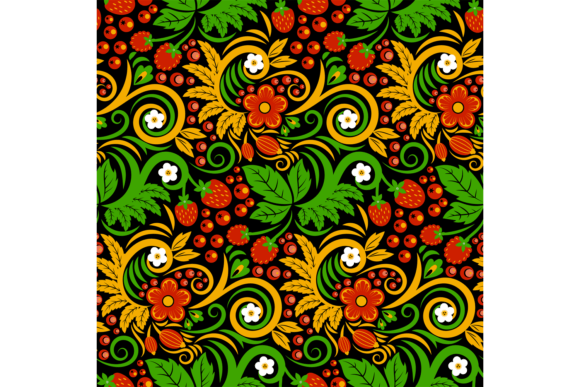
Decorative Floral Pattern: Seamless Bota and Botanical Ornament in Design Workflows
Decorative floral patterns, particularly seamless botanical designs, play a vital role in modern creative and professional workflows. Whether you're working on branding, product packaging, digital illustrations, or interior design, these patterns offer both aesthetic value and functional utility. The term "Seamless Bota" refers to a specific type of floral pattern that integrates naturally into repeated layouts without visible seams, making it ideal for backgrounds, textiles, and more.
Understanding how to incorporate these patterns into your workflow can enhance efficiency, consistency, and visual appeal across multiple projects. From initial planning to final execution, decorative floral elements can be strategically used at various stages to support design goals and user engagement.
What Is Decorative Floral Pattern? Seamless Bota and Botanical Ornament
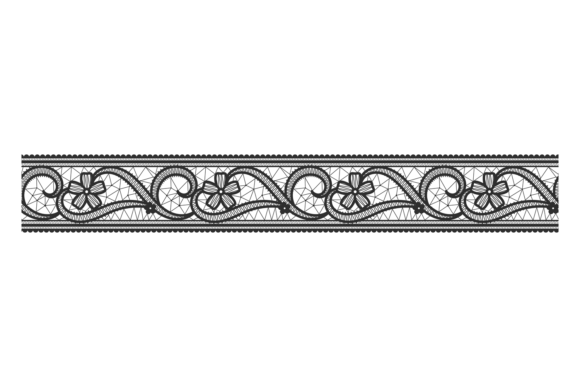
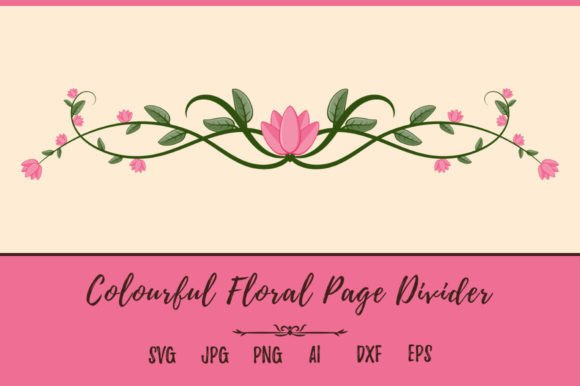
A decorative floral pattern is a stylized representation of flowers, leaves, and vines arranged in a repeating, cohesive layout. When designed as a seamless pattern, it allows for continuous use without visible breaks or gaps. The term "Seamless Bota" typically refers to a specific style of such patterns, often inspired by natural botanicals and crafted for versatility in design applications.
These patterns are commonly available in vector formats like EPS, JPG, and SVG, which cater to different use cases. Vector files (EPS, SVG) are ideal for scalable graphics, while raster formats (JPG) work well for web and print. Choosing the right file type depends on the intended use, platform, and desired quality level.
Integrating Decorative Floral Patterns Into Your Workflow
Decorative floral patterns can be integrated into your workflow at multiple stages, depending on the project's nature and scope. For example:
- Before a project: Use floral patterns as inspiration for color schemes, layout structures, or thematic direction.
- During a project: Apply patterns as background elements, texture overlays, or decorative accents to enhance visual storytelling.
- After a project: Repurpose patterns for marketing materials, social media content, or follow-up campaigns.
This flexibility makes them valuable assets for designers, marketers, and content creators who need consistent, high-quality visuals across platforms.
Practical Applications of Decorative Floral Patterns
Seamless floral patterns are widely used in various industries. Here are some common use cases:
- Branding and Identity: Incorporate floral motifs into logos, stationery, or website headers to create a unique brand aesthetic.
- Product Packaging: Use patterns on labels, boxes, or bags to add visual interest and reinforce brand identity.
- Interior Design: Apply patterns to wall art, textiles, or furniture to create a cohesive and inviting space.
- Digital Content: Add floral elements to social media posts, email templates, or website banners for enhanced engagement.
Each application requires careful consideration of scale, color balance, and overall composition to ensure the pattern complements the primary design elements.
Choosing the Right File Format for Your Needs
The choice between EPS, JPG, and SVG formats affects how you can use and modify a floral pattern. Understanding these differences helps optimize your workflow:
- EPS (Encapsulated PostScript): Ideal for print and professional design software. Offers high resolution and scalability without loss of quality.
- JPG (Joint Photographic Experts Group): Suitable for web use and quick sharing. Compressed format may reduce image quality if scaled up.
- SVG (Scalable Vector Graphics): Best for digital projects requiring responsive design. Maintains clarity at any size and is easily editable with vector software.
Selecting the appropriate format ensures compatibility with your tools and maintains the integrity of the design across different platforms.
How Decorative Floral Patterns Interact With Other Design Elements
Floral patterns do not exist in isolation; they interact with other design elements such as typography, color schemes, and layout structures. A well-integrated floral pattern should:
- Complement rather than compete: Ensure the pattern enhances the main message without overwhelming it.
- Support visual hierarchy: Use contrasting colors or placement to guide the viewer’s attention effectively.
- Maintain consistency: Align the pattern’s style with other design assets to create a unified look.
By considering these interactions, you can avoid clutter and maintain a clean, professional appearance in your work.
Implementation Tips for Using Decorative Floral Patterns
Here are some practical tips to help you implement decorative floral patterns effectively:
- Start with a clear purpose: Define why you’re using the pattern—whether for aesthetics, branding, or storytelling.
- Test different scales: Experiment with how the pattern looks at various sizes to find the optimal fit.
- Use transparency wisely: Adjust opacity to blend the pattern with other elements without causing visual noise.
- Keep it simple: Avoid overloading a design with too many patterns or complex details.
These steps help ensure that the floral pattern serves its intended function without complicating the overall design.
Long-Term Use and Maintenance of Decorative Floral Patterns
When using decorative floral patterns over time, consider factors like:
- Version control: Keep track of different iterations of a pattern to avoid confusion during updates.
- Asset organization: Store patterns in a structured folder system for easy access and retrieval.
- Quality checks: Regularly review patterns for consistency and ensure they meet current design standards.
Maintaining a well-organized library of floral patterns streamlines future projects and reduces the risk of errors or inconsistencies.
Conclusion: Enhancing Creativity and Efficiency With Decorative Floral Patterns
Decorative floral patterns, especially seamless botanical designs, offer a powerful tool for enhancing creativity and efficiency in various workflows. Whether used in branding, digital content, or product design, these patterns provide both visual appeal and functional flexibility. By understanding their purpose, selecting the right file format, and integrating them thoughtfully into your process, you can unlock new possibilities for your creative and professional projects.