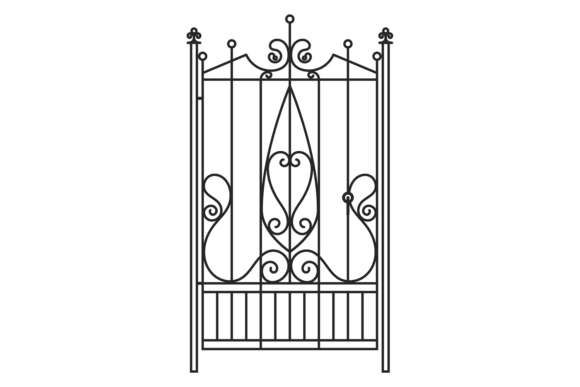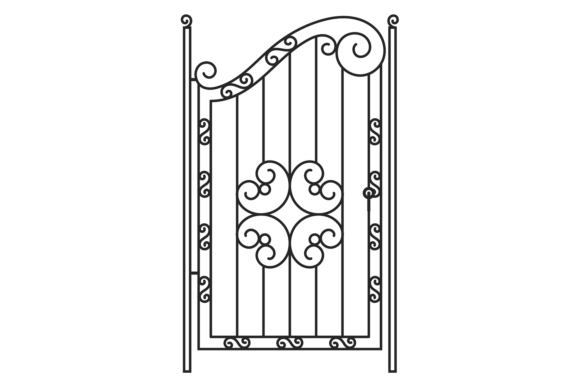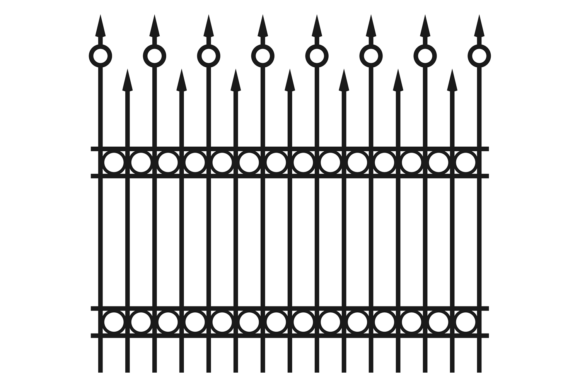
Metal Railing Barrier. Decorative Ornate
Metal railing barrier, decorative ornate is more than just a structural element—it's a statement. Whether you're designing a modern home, upgrading a commercial space, or looking for a unique way to define an area, this type of railing offers both function and style. Its intricate patterns and strong build make it ideal for a variety of settings where aesthetics and durability matter.
Where Can You Use Decorative Metal Railing Barriers?
Decorative metal railing barriers are versatile and can be used in many different environments. For example, in residential areas, they can frame a balcony, define a garden pathway, or add visual interest to a front entrance. In commercial spaces like restaurants, hotels, or retail stores, they help create a welcoming and sophisticated atmosphere. They’re also popular in public areas such as parks, museums, and transit stations, where safety and design go hand in hand.
Another common use is in industrial or warehouse settings where traditional railings might not offer the same level of visual appeal. A decorative metal railing can transform a utilitarian space into something more inviting without sacrificing strength or functionality.
Who Benefits from Using Decorative Metal Railing Barriers?
Homeowners looking to elevate their property’s curb appeal often turn to decorative metal railings. These barriers can complement a wide range of architectural styles—from rustic to contemporary. They’re especially useful when a homeowner wants to maintain a clean, open feel while still adding a touch of elegance.
Business owners, on the other hand, may use them to reinforce brand identity or create a memorable first impression. A well-designed railing can become part of a larger design scheme that reflects the values and personality of a business. For instance, a boutique store might use ornate metal railings to match its vintage decor, while a tech startup could opt for a sleeker, more minimalist version.
Architects and interior designers also find value in these railings. They offer a way to integrate custom elements into a space without compromising on structural integrity. This makes them a great option for projects that require both creativity and practicality.
What Are the Advantages of Decorative Metal Railing Barriers?
One of the main benefits of using a decorative metal railing barrier is its durability. Unlike materials like wood or plastic, metal can withstand harsh weather conditions, making it a long-lasting choice for both indoor and outdoor applications. It’s also resistant to pests and rot, which means less maintenance over time.
Another advantage is the level of customization available. With metal, you can choose from a wide range of designs, finishes, and textures. Whether you prefer a classic, ornate look or something more modern and abstract, there’s a metal railing that can fit your vision. This flexibility allows users to tailor the product to their specific needs and preferences.
Additionally, metal railings can enhance the overall aesthetic of a space. Their ability to blend form and function makes them a popular choice for those who want to make a design statement without sacrificing practicality. They can draw attention to key areas, guide movement, or simply add a layer of sophistication to a room or building.
What Should You Consider Before Choosing a Decorative Metal Railing Barrier?
Before selecting a metal railing, it’s important to think about the environment where it will be installed. For example, if the railing is going to be exposed to moisture or extreme temperatures, you’ll need to choose a material that can handle those conditions. Stainless steel or powder-coated metals are often good choices for outdoor use.
Another consideration is the size and layout of the space. A large area might require multiple railings, while a smaller space might benefit from a more compact design. It’s also worth thinking about how the railing will interact with other elements in the space, such as lighting, flooring, or furniture. The goal is to create a cohesive look that enhances the overall design.
Installation is another factor to keep in mind. While some metal railings can be installed by DIY enthusiasts, others may require professional help, especially if they involve complex designs or heavy-duty materials. It’s always a good idea to consult with a qualified installer to ensure everything is done safely and correctly.
How Can You Incorporate Decorative Metal Railing Barriers Into Your Space?
If you're unsure how to start, consider looking at examples of how others have used decorative metal railings. For instance, a restaurant might use a metal railing to separate the dining area from a bar, creating a subtle yet effective visual boundary. A homeowner might install one around a staircase to add a touch of luxury and security.
You can also use metal railings to highlight certain features in a space. For example, placing one near a window or artwork can draw attention to those elements and create a focal point. In a commercial setting, railings can be used to direct foot traffic, ensuring a smooth flow of movement while maintaining a stylish appearance.
Another approach is to mix and match different types of metal railings. Combining a decorative ornate railing with a simpler, more functional one can create an interesting contrast that adds depth to the design. This technique works particularly well in larger spaces where multiple design elements come together.
What Are the Limitations of Decorative Metal Railing Barriers?
While decorative metal railings offer many benefits, they do have some limitations. One potential drawback is cost. Custom designs or high-quality materials can be expensive, especially if you're working with a tight budget. However, there are options available at various price points, so it's worth shopping around to find the best fit for your needs.
Another limitation is maintenance. Even though metal is durable, it can still show signs of wear over time, especially if it's not properly cared for. Regular cleaning and occasional touch-ups may be necessary to keep the railing looking its best. This is something to keep in mind if you're planning to use it in a high-traffic area.
Lastly, not all spaces are suitable for decorative metal railings. If the area is very small or has limited structural support, it might not be possible to install one without significant modifications. Always consult with a professional to determine what’s feasible for your specific situation.